"Green Waste Separation: A Retro Sealed Approach to English Education Products"
In the realm of English language training, a curious synergy has emerged between environmental responsibility and nostalgic design. The concept of "green waste separation" — a practice rooted in ecological mindfulness — has found an unexpected home within retro-style sealed packaging for English educational products. This union speaks to a growing desire among learners and educators alike for materials that are not only pedagogically sound but also ethically and aesthetically resonant.
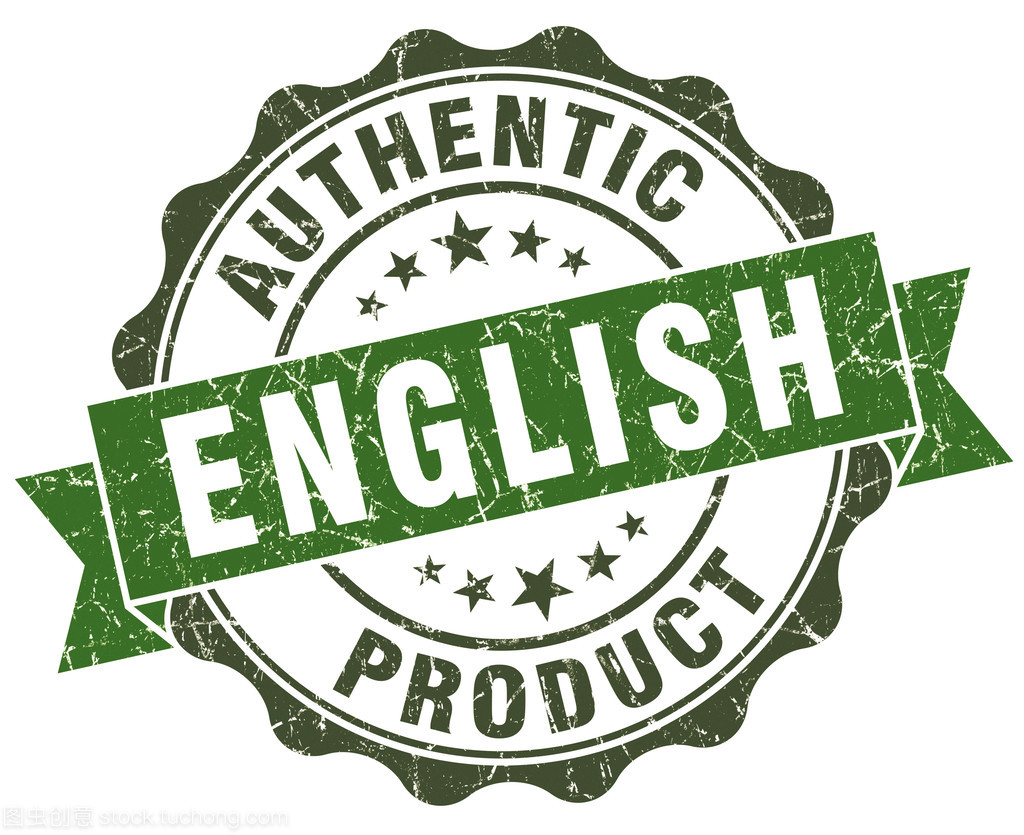
The term "green waste separation" typically refers to the sorting of biodegradable waste from non-biodegradable refuse, a cornerstone of sustainable living. When applied metaphorically to English training products, it suggests a deliberate filtering of content: separating meaningful, enduring language skills from ephemeral trends. A retro-aesthetic seal — reminiscent of mid-20th-century educational kits, with their muted colors, bold typography, and tangible textures — serves as a promise of quality and timelessness. It signals that the product inside has been curated with care, much like waste separated for recycling.
From a user’s perspective, such packaging creates a sensory bridge between past and present. The sealed retro design evokes the golden age of language laboratories and printed workbooks, where learning felt deliberate and uncluttered. Meanwhile, the "green" ethos assures modern learners that the materials are responsibly produced, perhaps printed on recycled paper or bundled without plastic. This dual appeal — nostalgia and sustainability — can enhance engagement, especially for adult learners who value both memory and meaning.
Educators and product designers can leverage this trend by focusing on three principles: authenticity, clarity, and reuse. Authentic retro elements (e.g., vintage fonts, kraft paper textures) should avoid kitsch; clarity means the "green waste separation" metaphor should transparently map to real content curation — for instance, clearly distinguishing core grammar drills from optional cultural extras; reuse encourages digital companions or refillable packaging, extending the product’s lifecycle rather than adding to waste.
In practice, an English training kit might include a sealed, retro-styled box containing a grammar workbook, conversation cards, and a QR code linking to audio files. The seal itself carries a small "green separation" icon — a reminder that after use, paper components can be recycled and the box repurposed. This design rejects both the throwaway culture of mass-market study guides and the cold sterility of purely digital interfaces. Instead, it offers a tactful middle path: a learning experience that honors the planet and the learner’s sense of style.
Ultimately, the convergence of green waste separation, retro sealing, and English education reflects a broader maturity in the training industry. Students are no longer passive consumers; they are stakeholders who care about sustainability without sacrificing the charm of physical media. As this trend evolves, it may inspire a new genre of educational artifacts: objects that teach language, model ecological responsibility, and whisper a quiet, elegant “welcome back” to a simpler time — all at once.
如若转载,请注明出处:http://www.lynzaus.com/product/2.html
更新时间:2026-09-15 07:23:24